
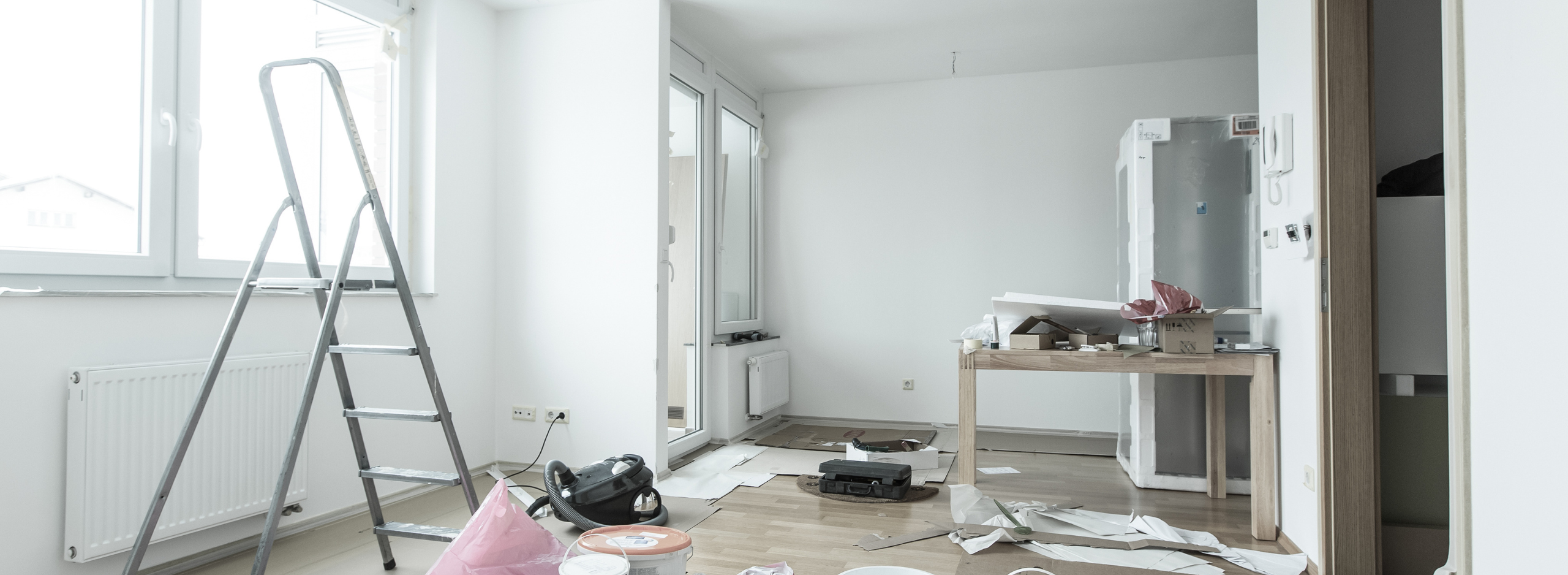
Across Ontario, families are rethinking what “home” can be and right now, they have a rare opportunity to do something about it.
Between April 1, 2026 and March 31, 2027, homeowners undertaking substantial renovations or purchasing a substantially renovated home may qualify for a reduction or elimination of the Harmonized Sales Tax (HST). This time-limited measure from the provincial and federal governments is a once in a generation opportunity to unlock the full potential of the homes we already have.
Housing affordability and supply remain front of mind for communities across the province. While new construction is essential, there is also tremendous untapped value within existing homes. Substantial renovations allow homeowners to expand living space, modernize aging structures, and adapt homes to evolving family needs without requiring new land.
This HST relief recognizes that reality. By lowering the financial barrier to major renovation projects, it empowers homeowners to reinvest in their properties while contributing to the broader housing solution.
For tax purposes, a substantial renovation is not a cosmetic upgrade, rather it’s a transformation. In general terms, it means that 90% or more of the interior of a home has been renovated or rebuilt. This could involve reconfiguring layouts, replacing major structural components, or effectively rebuilding the interior from the ground up.
The measurement is based on physical changes to the home not the cost of the work. Whether calculated by floor space, wall space, or number of rooms, the threshold is clear: the vast majority of the home must be made new again.
This definition ensures that the tax benefit supports meaningful housing renewal, not minor upgrades. Determining whether a home meets the “substantially renovated” threshold comes down to a fair and reasonable assessment of how much of the existing structure has been updated. There isn’t a single prescribed formula. Instead, there is flexibility as several commonly accepted approaches can be used.
One method compares the renovated floor area to the home’s total floor space. For instance, in a 1,000-square-foot home where all but a single 100-square-foot room has been updated, 90% of the space has been renovated and therefore would meet the requirement.
Another approach considers both floor and wall space. In a home with 2,000 square feet of floor space and 5,000 square feet of interior wall space, renovations that exclude a portion totaling 700 square feet would result in 90% of the home being updated and would meet the requirement.
A third method looks at the number of rooms. If nine out of ten rooms in a home have been renovated, that represents 90% of the space and would qualify.
In every case, the goal is the same: to ensure that the vast majority of the home’s interior has been meaningfully transformed, not just selectively improved.
So what does a substantial renovation actually look like?
It might mean taking a dated 1970s layout and opening it into a bright, modern living space designed for today’s lifestyles. It could involve adding a second storey to accommodate a growing family, or creating a secondary suite to support multi-generational living.
For others, it’s about resilience and sustainability. Upgrading insulation, replacing outdated systems, and incorporating energy-efficient designs that reduce long-term costs. In older neighbourhoods, substantial renovations can preserve the character of a community while ensuring homes remain functional and safe for decades to come.
In many cases, homeowners are not just renovating they’re rebuilding their relationship with their space.
Beyond the immediate tax savings, substantial renovations can significantly increase property value, improve quality of life, and extend the lifespan of a home. For buyers, purchasing a substantially renovated home offers many of the benefits of a new build, modern design, updated systems, and peace of mind all within established communities.
The HST rebate helps make these outcomes more attainable.
Given the scale and complexity of substantial renovations, working with experienced professionals is essential. Qualified renovators and builders can help homeowners navigate design, permitting, budgeting, and compliance with rebate requirements.
Opportunities like this do not come often. With a defined timeline and clear eligibility criteria, the HST holiday on substantial renovations offers a practical, immediate way for homeowners to act.
At the West End Home Builders’ Association, we see this as a win for homeowners, for communities, and for Ontario’s housing future. By investing in the homes we already have, we can create more livable, adaptable, and valuable spaces for years to come.
Now is the time to renovate and to reimagine what’s possible.