
When we talk about building more homes in Hamilton, the conversation tends to focus on two places: up or out. We talk about high-rise towers downtown and along transit corridors, or new communities at the edge of the city. Hamilton needs both. But there is another opportunity sitting right in front of us, in neighbourhoods across the city.
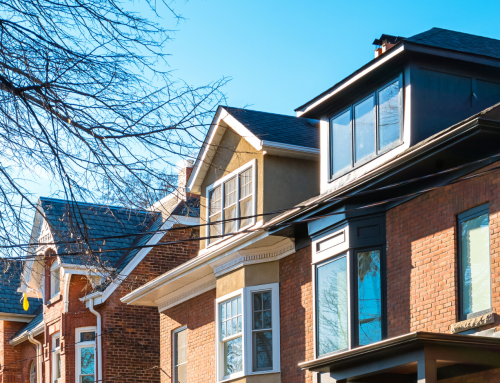
It is the housing in between. Townhomes, duplexes, triplexes, fourplexes, stacked townhomes and small apartment buildings are often called the “missing middle.” They aren’t a new idea. In fact, some of Hamilton’s oldest and most established neighbourhoods have been doing this kind of housing remarkably well for generations.
Walk through some of Hamilton’s most thriving neighbourhoods and you will find houses divided into multiple units, small apartment buildings tucked between homes, duplexes on otherwise low-rise streets and townhouses that have been part of their neighbourhoods for decades. Most of us don’t give them a second thought. That is because sometimes the best intensification is the kind you barely notice.
But we need more of it. Our housing needs are changing. A detached house is increasingly out of reach for many first-time buyers, but a high-rise apartment isn’t the right answer for every household either. Families need more bedrooms. Young people want an opportunity to buy their first home. Seniors may want to downsize without leaving the community where they have spent most of their lives. We simply need more rungs on the housing ladder.
Missing middle housing can provide them while making better use of communities we have already invested in. Hamilton has spent generations building roads, water and wastewater infrastructure, transit, parks and community facilities. Where capacity exists, adding a few more homes to an established neighbourhood is a sensible and efficient way to accommodate some of our growth.
The challenge is that saying we want this housing and actually making it possible to build are two different things. Smaller projects can still encounter complicated approval processes, studies, municipal requirements, fees, servicing questions and lengthy timelines. The economics of a small project are very different from those of a large development. When the City adds another study, another requirement or several months of carrying costs to a small infill project, the economics can change quickly. A project that made sense can become one that doesn’t. And when that happens, they simply aren’t built.
If governments are serious about increasing housing supply, this is something we need to address. Hamilton has already taken important steps toward allowing more housing options. The next step should be making sure our approval processes reflect the scale of the project in front of us.
A four-unit project is not a 400-unit project. We shouldn’t treat them as though they are. That doesn’t mean lowering building standards, overlooking servicing constraints or abandoning good planning. It means asking a very practical question: if a project fits the planning vision we’ve already established for a neighbourhood and meets appropriate safety and infrastructure requirements, how difficult should it really be to get those homes built?
Because ultimately, the discussion about missing middle housing is about giving people more choices at different stages of their lives. Like young Hamiltonians hoping to afford to stay in the city where they grew up or enter the housing market in a neighbourhood they love. Or parents who want to create space for an adult child or aging relative. Or enabling someone to downsize as they age without leaving the neighbourhood they have called home for 30 years.
These are ordinary housing needs, and we should be able to meet more of them in the neighbourhoods people already call home.
Hamilton’s housing shortage won’t be solved by any single form of development. We need high-rises. We need purpose-built rentals. We need new communities and family-sized homes. We need affordable and supportive housing. But we also have thousands of smaller opportunities throughout the city that we shouldn’t overlook.
If we make it easier to turn those opportunities into homes, the impact can be significant. We don’t always have to solve Hamilton’s housing shortage hundreds of homes at a time. Sometimes, we can start as simply as with a fourplex.