Soaring prices, rising rents and declining rates of homeownership have left millions of Canadians wondering whether they will ever be able to afford a place to call their own.
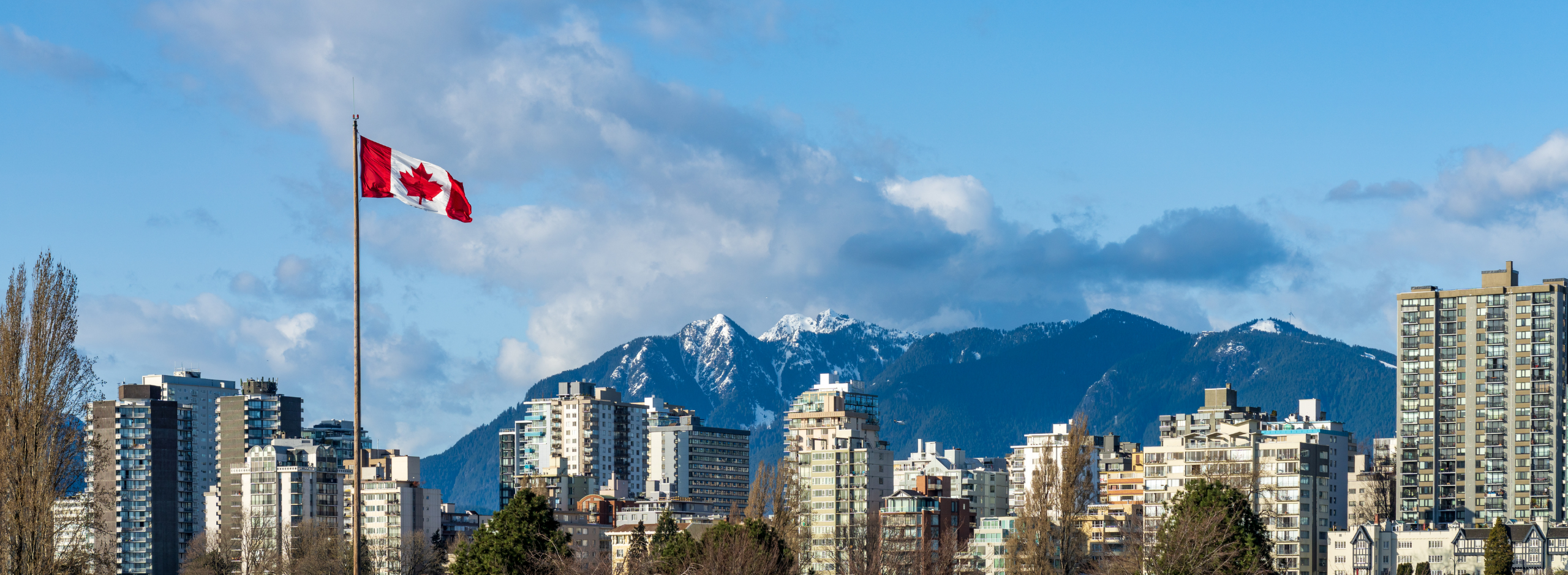
But let’s zoom out for a moment. Canada has more land per person than almost any other developed nation. Yet, in much of the country, the serviced lot underneath a new home can cost as much as, or even more than, the house itself. How did one of the largest and least densely populated countries in the world make land for housing so scarce and expensive?
When we think about the cost of a new home, we usually point to interest rates, construction materials and labour. All of those things matter. But a huge part of the cost is the price of the land itself.
Land is expensive because housing-ready land is scarce. Canada has an abundance of land, but only a small amount is designated for housing, serviced with roads, water and wastewater infrastructure, approved for development and available to build on. It can take years, sometimes decades, to move land through the planning and servicing process.
Meanwhile, our population continues to grow. Demand for housing has increased faster than the supply of land available to build on, driving up prices. When governments continually restrict where growth can occur, the remaining land becomes more valuable.
For years, the housing debate has been framed as a choice between growth and intensification. Intensification is generally seen as efficient and environmentally responsible, while outward growth is often dismissed as sprawl. This debate is too simplistic.
Of course we need more housing in existing communities. We should be building apartments near transit, redeveloping underused commercial properties and making it easier to add townhouses, additional dwelling units and other forms of housing in established neighbourhoods.
But intensification cannot meet every housing need on its own. Families still need larger homes. Seniors looking to downsize may prefer a bungalow or townhouse over an apartment. Housing policy should recognize that people have different needs at different stages of life.
Hamilton is a good example of the challenge. The city is expected to accommodate significant population growth over the coming decades, with much of that growth directed to the existing urban area. Intensification will play an important role, particularly downtown, along transit corridors and around GO stations and the future LRT.
But there are practical limits to how quickly that housing can be built and how much of the market it can serve. Hamilton is constrained by both geography and policy. Lake Ontario and the Niagara Escarpment shape the city, while the Urban Boundary further limits where future growth can occur. Bringing new land to market also requires planning and major investments in roads, water and wastewater infrastructure.
This leaves Hamilton needing tens of thousands of new homes while the supply of land for new ground-oriented housing remains constrained and many forms of intensification are still expensive and slow to deliver.
We should also stop assuming that new communities must look like the subdivisions of the 1980s or 1990s. Responsible growth can include apartments, townhouses, smaller lots, parks, schools, trails, shops and employment. These communities can be built at higher densities and planned to support transit from the beginning.
There are costs to growth wherever it happens. Today, we are trying to accommodate rapid population growth while tightly restricting the amount of land available for new communities. We should not be surprised that the remaining land has become increasingly expensive.
Canada does not have a physical shortage of land. We have a shortage of land that is designated, serviced, approved and ready for housing. That is a problem we created, and one we can fix.
A serious housing strategy needs both intensification and responsible growth. We need more homes in existing neighbourhoods and around transit, alongside a predictable supply of land for new communities so that scarcity no longer drives land prices higher.
In a country with as much land as Canada, the dirt underneath a home should not cost more than the home itself.